
Safe Weight Loss Through Portion Control
Understanding proper portion sizes is the foundation of sustainable weight loss. Bodytransform guides you through evidence-based serving guidelines that work with your lifestyle.
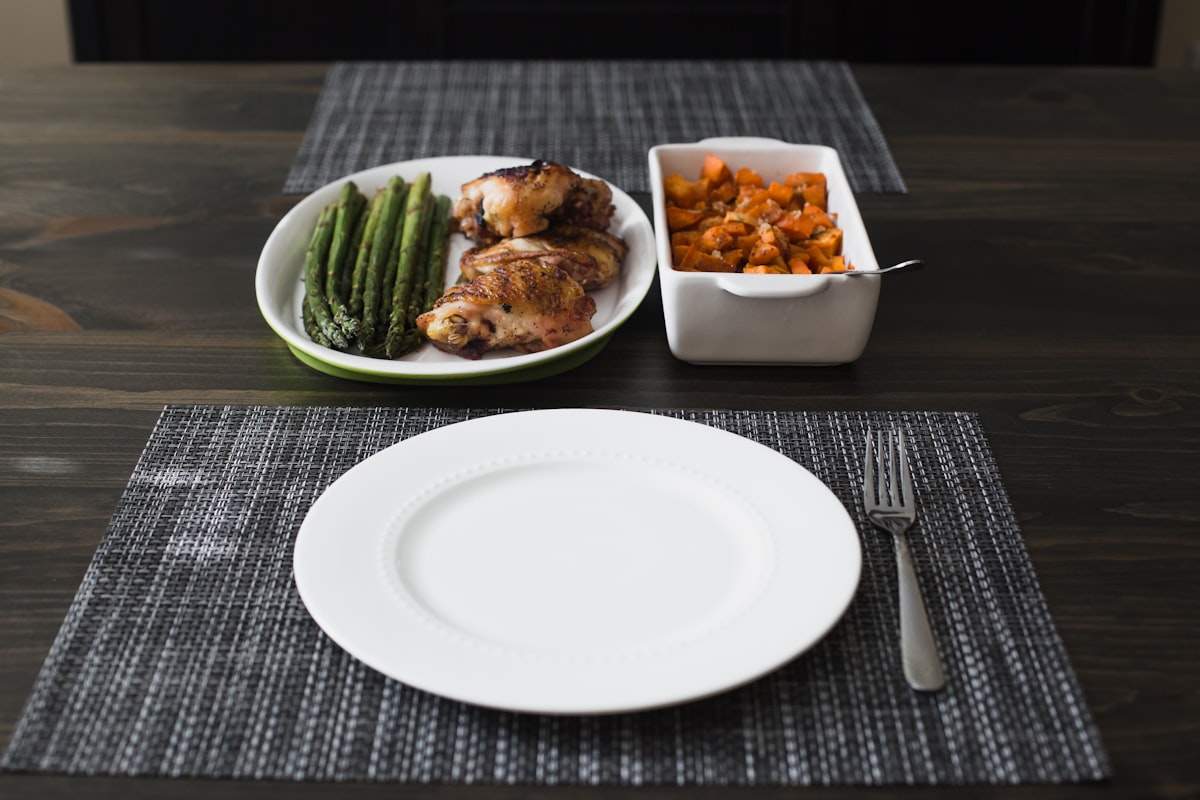
Why Portion Sizes Matter
Sustainable Weight Loss
Portion control creates the calorie deficit needed for gradual, stable weight loss without extreme restriction.
Better Energy Levels
Properly sized meals deliver steady energy throughout the day, reducing fatigue and hunger crashes.
Enjoy All Foods
No foods are forbidden. Portion awareness lets you include your favorites in a balanced eating pattern.
Long-Term Results
Portion control is a skill you keep for life—no yo-yo dieting, just consistent, lasting change.
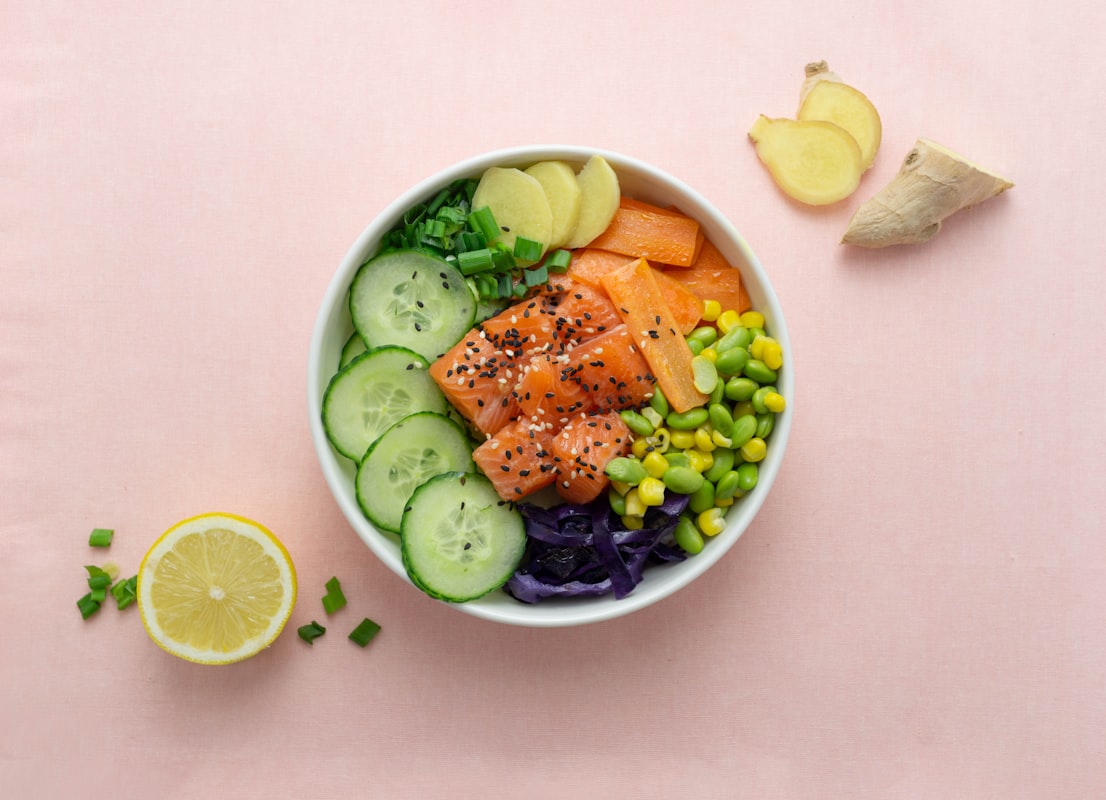
The Hand-Based Portion Method
One of the simplest ways to judge portions is using your own hand as a reference. This personalised approach adapts to your body size and individual needs, making it practical for real life outside the kitchen.
Your fist represents a serving of carbohydrates or fruit. A palm-sized serving covers protein needs. A thumb-sized portion handles fats. And an open handful works for vegetables. This method works at restaurants, home, and on the go.
- No scales needed — works everywhere
- Adapts to your needs — scales with your body
- Easy to remember — simple visual system
Portion Guidelines by Meal Type
Different meals serve different purposes. Here's how to structure portions throughout your day for consistent energy and steady progress.
Breakfast: 300-400 Calories
Start your day with balanced energy. Include protein, whole grains, and fruit to stabilise blood sugar and maintain focus until lunch.
- Protein: 1 palm-sized serving (eggs, yoghurt, meat)
- Carbs: 1 fist-sized serving (oats, bread, fruit)
- Fat: ½ thumb serving (butter, oil, nuts)
- Vegetables: 1 handful (optional, for volume)
Example: 2 eggs, 1 slice toast, 1 apple, small pat of butter
Lunch: 400-500 Calories
Your main meal should be substantial enough to fuel afternoon activity. Build it with lean protein, complex carbs, and plenty of vegetables.
- Protein: 1.5 palm-sized servings (chicken, fish, tofu)
- Carbs: 1 fist-sized serving (rice, pasta, potato)
- Fat: 1 thumb serving (olive oil, dressing)
- Vegetables: 2 handfuls (fill half your plate)
Example: 150g chicken, 1 cup rice, large salad with dressing
Dinner: 350-450 Calories
Keep dinner lighter than lunch but equally satisfying. Prioritise protein and vegetables, with moderate carbs to support recovery and sleep.
- Protein: 1.5 palm-sized servings (fish, lean meat, beans)
- Carbs: ¾ fist-sized serving (sweet potato, quinoa)
- Fat: 1 thumb serving (cooking oil, sauce)
- Vegetables: 2 handfuls (roasted, steamed, or raw)
Example: 150g salmon, ¾ cup quinoa, grilled broccoli and asparagus
Smart Snacking Between Meals
Snacks are not forbidden—they're strategic fuel. When portions are controlled and choices are intentional, snacks prevent overeating at main meals and keep energy stable.
The key is snacking with purpose: choosing foods that combine protein and fibre, keeping portions to 100-150 calories, and spacing them 2-3 hours from main meals.
Ideal Snack Combinations
Protein + Fruit
Greek yoghurt with berries, or apple with almond butter
Vegetables + Dip
Carrot sticks with hummus, or celery with cottage cheese
Nuts + Dried Fruit
Small handful of almonds (23 nuts) with a few raisins
Whole Grain + Protein
Whole grain crackers with cheese, or oatcake with peanut butter
Your 5-Step Portion Control Journey
Learn Your Baseline
Track your current eating patterns for 3 days. Understand portion sizes you're already eating without judgment.
Pick Your Method
Choose between hand-based portions, plate method, or simple weight tracking. Use what fits your lifestyle best.
Adjust Gradually
Make small, sustainable reductions over 1-2 weeks. Your body adapts better to gradual change than dramatic shifts.
Monitor Progress
Track weekly changes—energy, how clothes fit, and overall wellbeing. Adjust portions if progress plateaus.
Make It Automatic
After 4-6 weeks, portion awareness becomes habit. You naturally choose appropriate serving sizes without thinking.
Portion Control Methods Compared
Different approaches suit different people. Here's how common methods compare for sustainable, real-world use.
| Method | Best For | Effort Level | Accuracy | Long-Term Ease |
|---|---|---|---|---|
| Hand-Based Portions | Eating out, flexibility | Low | Good (±10%) | Excellent—always available |
| Plate Method | Home meals, visual learners | Low | Very Good (±5%) | Excellent—simple visual system |
| Weight/Scale Tracking | Precision, detailed tracking | Medium | Precise (±2%) | Good—requires scales |
| Food Photography | Visual memory, accountability | Medium | Good (±10%) | Fair—requires phone |
| Container/Prep System | Meal prep, consistency | High | Excellent (±3%) | Fair—requires time investment |
Most people find success combining methods—using the hand method for flexibility, the plate method at home, and scales when starting out to calibrate their visual estimates.
Frequently Asked Questions
How long does it take to learn portion control?
Most people develop reliable portion awareness within 2-4 weeks of consistent practice. After 6-8 weeks, it becomes automatic—you'll naturally choose appropriate serving sizes without conscious effort. The hand-based method is fastest to learn since you always have your reference with you.
Can I eat out and still follow portion guidelines?
Absolutely. Restaurant portions are often 2-3 times larger than needed, but you can easily use the hand method to estimate proper serving sizes. Order protein and vegetables first, ask for half the bread or rice, and take leftovers home. Many restaurants now offer smaller portions or half-size options.
What if my portions are too small and I'm hungry?
This is normal during the first week. Your stomach adapts to smaller portions over 7-10 days, and hunger hormones adjust. If genuine hunger persists, increase vegetable portions first (they're low in calories but high in volume), then add 50-100 calories from protein or healthy fat. Drink more water and ensure you're eating enough protein—it's the most satiating macronutrient.
Do I need to count calories if I use portion control?
No. The whole point of portion control methods like the plate or hand method is that they create appropriate calorie deficits without counting. However, for the first week or two, many people find weighing or counting calories helpful to calibrate their portions and learn which foods are more calorie-dense. After that calibration, most switch to visual methods.
What about carb-heavy foods—should I reduce them?
No need to eliminate carbs. The portion guidelines work for all carbohydrate sources—bread, pasta, rice, potatoes. The key is keeping carbs to one fist-sized serving per meal and choosing whole grain versions when possible. They digest more slowly, keeping you fuller longer. Refined carbs like white bread should be occasional choices, not daily staples.
How do I handle special occasions and celebrations?
Enjoy them. One meal, or even one day, won't undo your progress if you've been consistent. The habit of portion awareness means you'll naturally return to your normal routine afterwards.
Real Results from Real People
"Bodytransform's approach changed how I think about nutrition. I've lost significant weight in 4 months and I'm not even hungry. This actually works!"
Sarah M.
Fitness Enthusiast
"After years of yo-yo dieting, Bodytransform finally gave me sustainable eating habits. The support and education made all the difference."
James T.
Business Professional
"I've tried everything. Bodytransform's realistic approach and the community kept me accountable. Best investment in my health ever."
Michelle D.
Mom of Two